The Soundtrack in Dramatic Works
Dhuha Abdul Raouf Al-Mulla
- The soundtrack allows enjoying the emotional feelings stemming from the acting, whether it is suspenseful or sad.
- The auditory dimension reaches its full extent in the dramatic work when the viewer becomes able to see the scene audibly.
Hearing takes a first rank in the dramatic work before sight or the image, because the capture of the senses has its influential dimensions, as we cannot today accept any dramatic work without music accompanying it since the piano sounds were added to the silent cinema from its beginnings to be completed later by other instruments. This is one of the most delicate and sensitive matters in any dramatic work because of the importance of hearing in human life, as the musical unit carries the power of simulation, and it is also capable of clarifying the auditory scene linked most closely to the visual, and this results in a greater interaction with the scene open to the senses attracted to the story, and more importantly staying in the whirlpool of the event and waiting for the solution after a certain dramatic knot just by hearing the tune related to the appearance of a certain hero or a certain event, where the image automatically returns to the mind stimulated to follow. In addition, the music itself carries a surreal, realistic or even fantasy type such as the music of the series "Maker of Dreams" by the musician "Fadi Mardini" or the music of the series "When the Wolves Grow Old" by the musician "Taher Mamelli" and the song of the movie "A Song of Ice and Fire" by the writer "George Martin" which we followed as a series with expressive music that was able to open the auditory scene to the visual with all its changes. The tune has the ability to clarify even the character of the actor and what he will do in the scene. So how about the starting titles that may accompany us always whenever we hear them?
Like the titles of the movie "Al-Watar" by the musician who cared about linking between the two sisters even musically, and the string with which the crime was committed, so that he was able to translate the scene audibly through lowering the pace of the tune and raising it as appropriate with the visual effects used by the director.
In addition to the feelings of anxiety, disturbance, joy, sadness, anticipation or the scary waiting that explains the scene without detailing it more broadly visually if the explanation is completed musically. So is the choice of soundtrack in dramatic works based on the complete sensory foundations? Or is it just a passing musical composition for auditory decoration only?
The dramatic musical composer can create bridges between the spoken and the heard because of the importance of the musical language in dramatic works in translating emotional or criminal feelings or other influences.
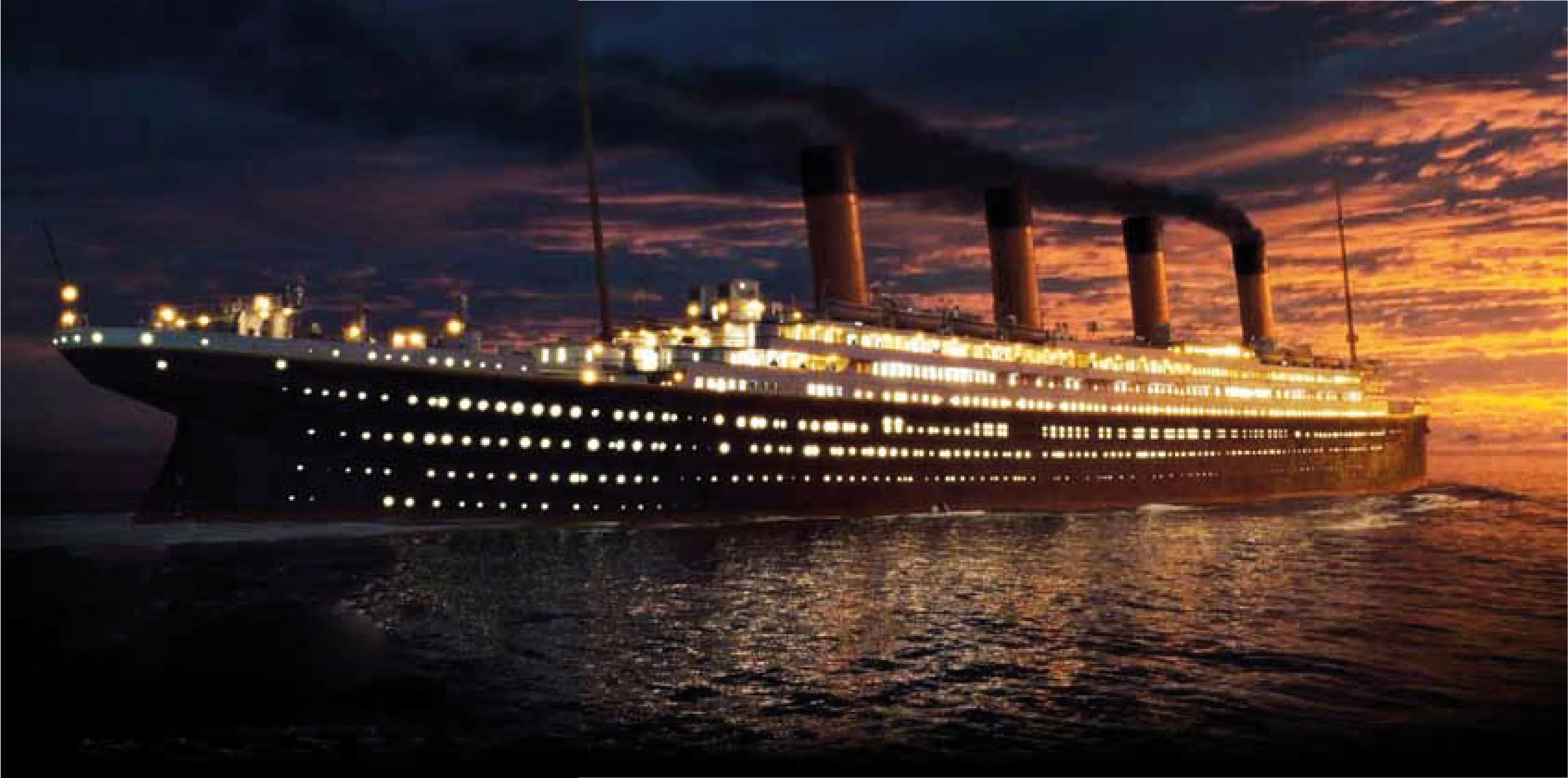
The similarities between the scenes with the great connection to the music and the reliance on the drama of the auditory act that transfers the imagined ideas to the viewer to deduce the realism of the vital event or to revive the event from scene stagnation and put it on the first degree of importance. This has become today accompanied by technological progress and knowledge of the value of the dramatic musical phrase capable of simulation side by side with acting. In most cases, it performs analysis and explanation, and according to the development of visual dramatic elements and their need to express fear, joy, anticipation, waiting, or the transition from one state to another stronger or weaker, which increases the cohesion between the viewer and the actor or following the dramatic work with an imaginary sense deduced from the soundtrack and its ability to clarify the act in a sensory way that has its beauty that the viewer becomes addicted to even when hearing the music without dramatic viewing, such as the music of the song "Titanic" or the music of the movie itself as nغمية (melodic) vocabulary that gives the imaginary expression stronger auditory pushes to be effective and doubles the value of the scene more when the musical composer realizes the value of that.
Music and the Meaning of the Scene:
The soundtrack allows enjoying the emotional feelings stemming from the acting whether it is suspenseful or sad or other feelings, depending on the meaning of the scene and the sympathy resulting from this soundtrack, which enhances the value of the acting and gives the actor a kind of another connection with the viewer, especially when the music becomes special for him as a hero for the movie or the series, which affects the transformation of the dramatic work into bad or od depending on the success or failure of the soundtrack in translating the acts and transforming them into an auditory language the sense accepts, and even becomes addicted to in the series.