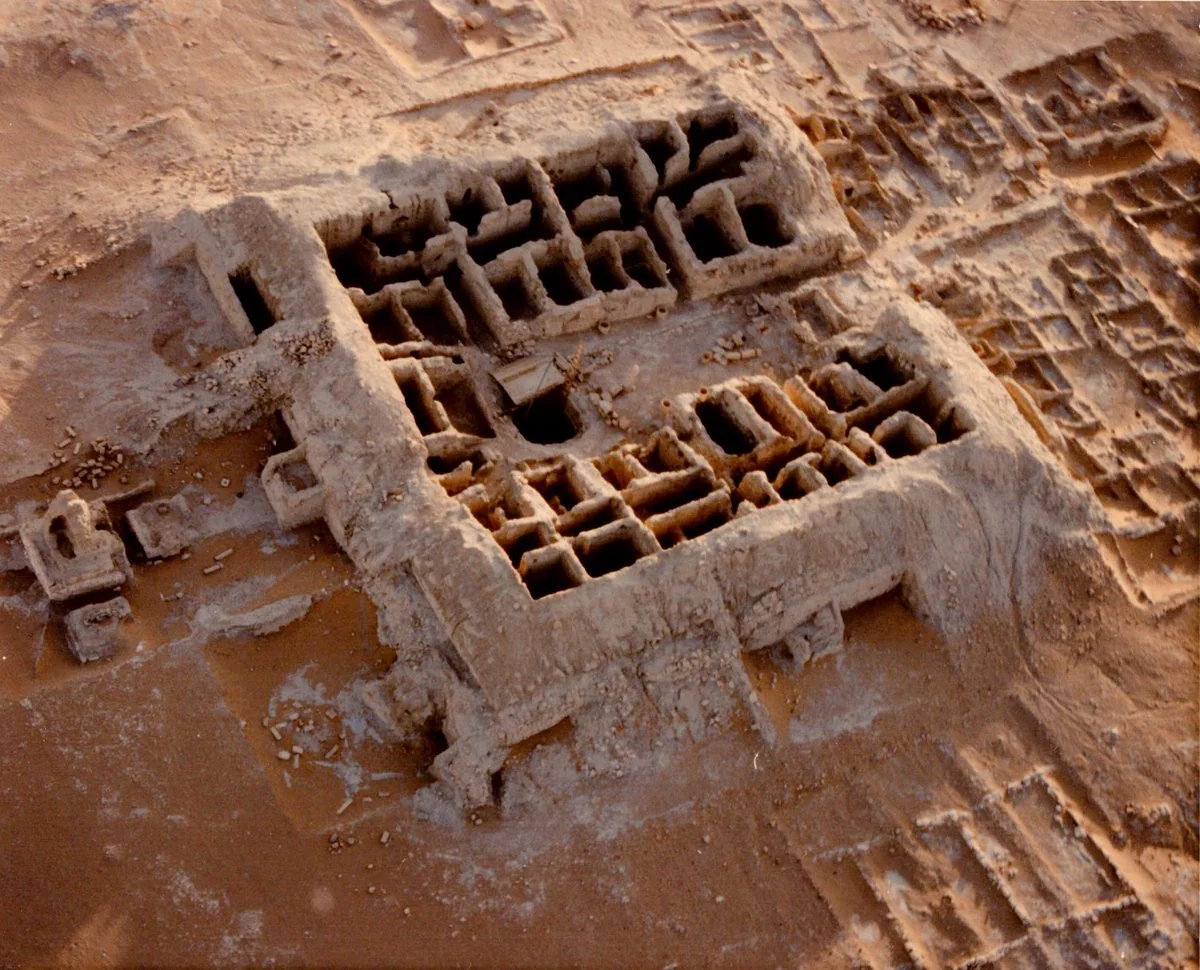
The Kingdom and the genius of the place full of heritage, history and culture.. (6) sites were included in the UNESCO World Heritage List and (10) are under nomination
The Kingdom of Saudi Arabia abounds with great heritage and cultural diversities, and a history crowded with events and facts, as well as that it was founded in the Arabian Peninsula region, the cradle of Arabs and Islam, and the cradle of poetry, literature and the Arabic language.
The Kingdom is not entirely a desert, as some travelers or geographers or those who chronicle places and list their characteristics and features may believe. It is a fertile land with vast borders, packed with monuments, history, heritage, caravan routes, and Hajj and Umrah routes, as well as the presence of buried rivers, valleys, lakes and plains that have not yet been innovated. It also contains vast areas of oil and gas regions and various mineral mines.
With Vision 2030, the Kingdom began to pay attention to its wealth, history and heritage, and news appeared in a steadily growing manner for interest in this land stretching east, west, south and north as if it constitutes a new discovery clad in the fragrance of heritage and history that may date back more than 16 thousand years.
Therefore, we find that various Arab, Islamic and international cultural organizations are concerned with this history and seek to read its details.
The Kingdom has nominated since 2015 until today a group of heritage sites for registration within the World Heritage sites, which are:
Darb Zubaida (the Hajj route from Kufa to Makkah Al-Mukarramah) and the path extends through the regions of the Northern Borders, Hail, Qassim, Madinah Al-Munawwarah and Makkah Al-Mukarramah
Hejaz Railway, located between the Tabuk and Madinah Al-Munawwarah regions
Syrian Hajj Route and is located between the Tabuk, Madinah Al-Munawwarah and Makkah Al-Mukarramah regions
Egyptian Hajj Route between the Tabuk, Madinah Al-Munawwarah and Makkah Al-Mukarramah regions
Al-Faw Archaeological Village, located within the scope of the Riyadh region
Rijal Almaa Heritage Village in the Asir region
Dhee Ayn Heritage Village, in the Al-Baha region
Dumat al-Jandal Historical Oasis (Al-Dira' neighborhood in Dumat al-Jandal) in the Al-Jouf region
Uruq Bani Ma'arid Reserve, extending between the regions of: Najran and Riyadh
Farasan Islands Reserve, in the Jazan region
Details of the Nominated Sites:
As for Darb Zubaida, it is a Hajj route attributed to Zubaida bint Ja'far, wife of Caliph Harun al-Rashid, for her multiple efforts in providing facilities for pilgrims along the road stretching from Kufa in Iraq to Makkah Al-Mukarramah. The route flourished in the early stages of the Abbasid Caliphate, where stations, rest houses, wells and ponds were established on it. (27) main stations and (27) secondary stations were monitored along the road. Among the most prominent stations whose landmarks are still present: Al-Jumaima, Al-Thalabiyya, Faid, Samira, Zabala, Al-Naqra, Al-Rabza, Ma'din Bani Sulaym, Dhat Irq, and others.
The Hejaz Railway connected Damascus and Madinah Al-Munawwarah. Work began on it in 1900 AD and it opened in 1908 AD. Its operation continued until it was destroyed in 1916 AD during the First World War. The remains of some stations still exist and are located within the lands of the Kingdom, Jordan, Palestine and Syria. There is the (Tabuk) station, which consists of the station buildings. The line reaches the Mada'in Salih station, which includes sixteen buildings built of finished stone. As for the last stations of the line, it is the Madinah Al-Munawwarah station, which is distinguished by its design and architecture in addition to a number of other stations.
The Syrian Hajj Route extends between the Hejaz and the Levant. It was known as "Al-Tabukiyya" in reference to Tabuk through which it passes. The path begins from Damascus and passes through Bosra al-Sham, and through several stations until it reaches inside the Kingdom where it passes through Halat Ammar, then Dhat al-Hajj, then Tabuk, Al-Akhidar, Al-Mu'azzam, Al-Aqra', Al-Hijr, then Al-Ula as it crosses Wadi al-Qura.
As for the Egyptian Hajj Route, it was used during different time stages by Egyptian pilgrims and pilgrims from the Arab Maghreb and some African countries, as well as pilgrims coming from Andalusia. The route in its Saudi section includes a number of castles and archaeological sites, most notably: Magha'ir Shu'ayb, Qal'at al-Muwaylih, and Qal'at al-Azlam.
Al-Faw Village was the capital of the Kindah Kingdom in the Arabian Peninsula for more than 500 years. It was an important commercial center, comprising many dwellings, warehouses and shops, and it had more than 17 water wells. The site currently includes many archaeological landmarks spread across the site, the palace and the market, and a number of bronze figures, and writings in South Musnad script.
From Rijal Almaa to Dumat al-Jandal:
Rijal Almaa Village is located in the Asir region. it constituted an important point connecting those coming from Yemen and the Levant passing through Makkah Al-Mukarramah and Madinah Al-Munawwarah, where it was an important commercial center. The village consists of 60 buildings, built of natural stone, mud and wood. The site includes the Dar Almaa Museum for Culture and Heritage.
In the Al-Baha region lies Dhee Ayn Heritage Village. It was built of stone and is roofed with branches of juniper trees. Its balconies were also decorated with quartz stones in the form of arranged triangles. The village includes some defensive forts, and is located in a low area within upper Tihama in Al-Baha and rises about 1985 m above sea level. The village is a mixture of what it contains of heritage buildings, and agricultural terraces that are irrigated through a water spring that flows throughout the year.
The Al-Dira' neighborhood is located in the middle of Dumat al-Jandal. It consists of adjacent stone houses and its passages are connected to each other. Some buildings in it consist of two floors and are roofed with tamarisk and palm fronds. The neighborhood was established in the middle Islamic era, but some parts of it date back to the first millennium BC.
Uruq Bani Ma'arid is a nature reserve and has been identified as an important botanical area. (106) types of plants were recorded in it, including: Arabian Arta, Sa'diyya, Rhamnus, Ban, Asra and Talh, and perennial herbs and legumes. It was home to the Arabian Oryx before its extinction. Today it has Reem and Mountain Gazelle, ostrich, Rueppell's fox, red fox, sand cat, wild rabbit and others, and it has (104) types of birds.
As for the last nominated site: Farasan Islands Reserve, which is located in the southeastern part of the Red Sea and its area is about 600 square km. The archipela includes many islands consisting of surfaces of reef limestone. There are a number of short valleys that end at the sea, and include types of Samar, Balsam, Sidr, Arak, Shura and Qandal trees. The Farasan Gazelle exists there, and it has water, shore and migratory birds such as: Osprey, Grey Pelican, Seagull, Heron and Sooty Falcon.
It is worth mentioning that the Saudi sites registered within the UNESCO World Heritage List are: Al-Hijr (Mada'in Salih) in the Madinah Al-Munawwarah region, Al-Turaif District in Diriyah in the Riyadh region, Historic Jeddah in the Makkah Al-Mukarramah region, Rock Art in the Hail region (Jubbah and Al-Shuwaymis), Al-Ahsa Oasis in the Eastern Province, and Hima Cultural Area in the Najran region.