Renowned for its lyrical and poetic virtues, Portuguese literature from being influenced by French and English literature to ing global
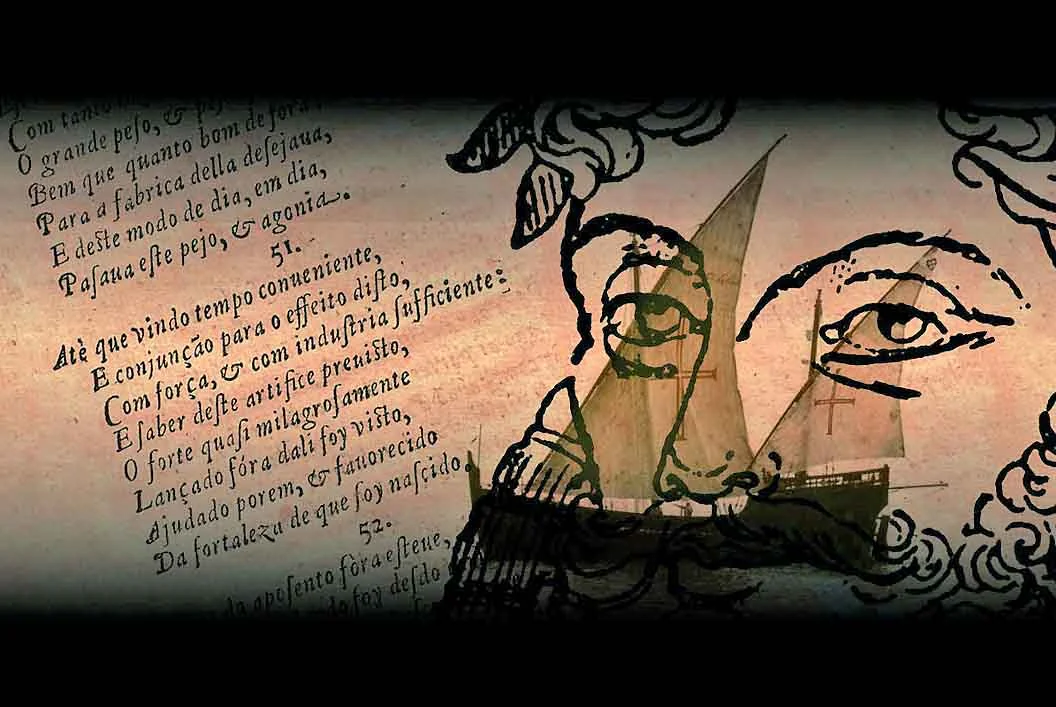
Portuguese writing officially began in the 12th century when Henry of Burgundy, father of Afonso Henriques, the first king of Portugal, brought many French scholars and literary masters. From the beginning, the strength of Portuguese literature lay in its lyrical and poetic virtues, backed by one of the world's greatest Romance languages. Two linked Portuguese emotional states are "Saudade"—a consuming sense of nostalgia—and "Fado," the country's heartfelt national song. Early court writers followed the traditions of French poets. Dom Dinis (1279-1325), the "Poet King," composed lyrics on love and chivalry and founded the University of Coimbra. Fernão Lopes (c. 1380-1459) is known as the father of Portuguese history. In the 15th century, as Portugal gained power, literature flourished; Pedro Vaz de Caminha recorded the discovery of Brazil with powerful prose. Half a century later, Luís Vaz de Camões (1524-1580) wrote the nation's greatest literary piece, "Os Lusíadas," chronicling Vasco da Gama's voyage to India. Camões lived an extraordinary life as a soldier in Africa and a prisoner in a. The 16th century also saw the rise of Gil Vicente, the "Portuguese Shakespeare," founder of the national theater. A notable 17th-century event was the discovery of love letters by Sister Mariana Alcoforado. Modern Portuguese literature is dominated by Fernando Pessoa (1888-1935), who wrote under 72 different literary personas or heteronyms. He received an English education in South Africa before returning to Lisbon. The 20th century concluded on a high note when José Sarama (1922-2010) won the Nobel Prize in Literature in 1998, the first Portuguese novelist to do so.