Bovaryism in Saudi Poetry: Romanticism of Fortten Times - Muhammad al-Thubaiti as a Model
Dr. Imad Al-Khatib
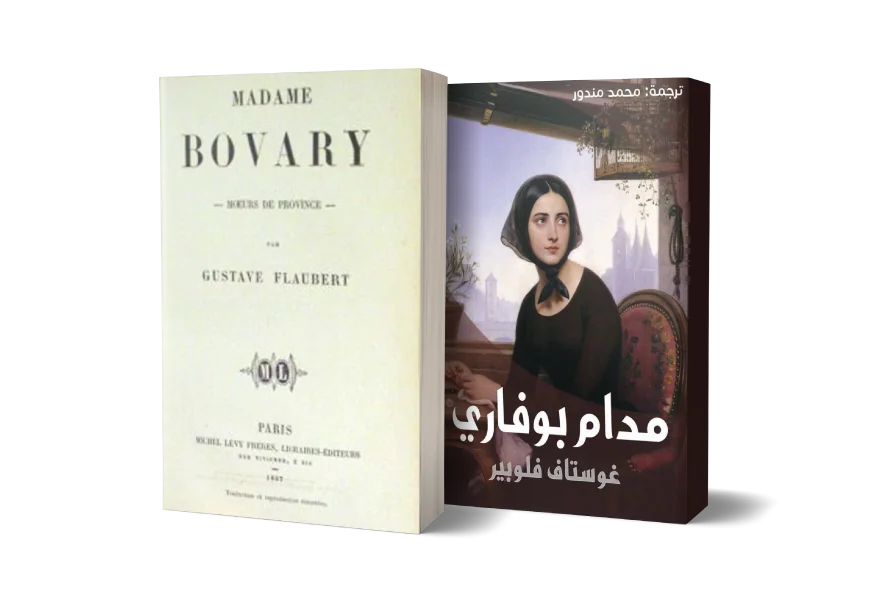
Bovaryism is a term derived from the case of the heroine of the novel (Madame Bovary) named (Emma) by its novelist (Gustave Flaubert), who wrote it at the end of the nineteenth century. The term appeared after the fame of the novel and the strong debate around it. Among what revolved around it was studying the reason for (Emma's) rebellion; the novel showed a strange relationship between (Emma's) rebellion and her reading of books. It was mentioned in the events of the novel's stream that (Madame Bovary / the mother) advises her son (Charles) to prevent his wife (Emma) from reading books, and calls him to file a complaint against the bookseller because (Emma's) reading of those books was a cause for her rebellion.
Bovaryism means: a psychological state of romantic dissatisfaction depicted by the creator and transmitted to the recipient / reader representing a rebellious escape from his reality towards an imaginary world created from daydreams.
The article will study Bovaryism in one poem titled: "Fortten Times" by the poet (Muhammad Al-Thubaiti) through studying its connotations that formed its poetic images and created indications of its formation in the recipient influenced by what was formed in the poet.
With the analysis and the poet and the times / the poem whose beginning is:
And I woke up from the fatigue of the villages,
So the city was a deserted street,
And a window overlooking the sky.
From the beginning, a sign of the romanticism of the poet / lover and his dissatisfied image towards the city appears: its air is stone and forbidden to women despite the existence of a door for it that enables them to enter there where the city is, which is his saying:
I woke up from the hunger of the city afraid,
So the air was stone at the door of women.
There is a romantic attraction between the poet and his homeland, love of the self from love of the homeland, and romantic indicators of circulation appear in discourses that create the dissatisfied poetic image (redness of times), (sadness, crying), (stream of the song), and (the new street) to change the poet's state from his dissatisfaction towards the city to his love for it because he loves his homeland and the city is part of it, so he says:
And I woke up from my homeland and the redness of the times was lowered,
And the sadness was wide enough for us to cry,
So the anthem overwhelms us,
And a song flows in our new street.
Then Al-Thubaiti's Bovaryism is present from the sign of his awakening from his time, as he was fleeing from it to it, where the pupils and the water of its refined tears.
Al-Thubaiti's romanticism is the romanticism of the child, because it is the first time he loves like the child who realizes for the first time the meaning of something, but his portrayal of love (stained) i.e. drowned, took us out of the circle of childhood into the circle of battles, and this represents a sign of Bovaryism: dissatisfaction with romanticism, and dissatisfaction does not mean rejection and negativity but rather means rebellion against reality and escape to the better even if it is impossible, so he says:
This is a child lover surprised by his companions stained,
With the first lust.
Then images of self-love come in his saying: "bright modesty", "splendid color", "tree of the heart", and "brown fingers", but those romantic images did not stop at their limit but rather exceeded it and mixed with hunger, fever, the pale voice, and pollution. There is no doubt that the recipient / reader is influenced by those images and can distribute them between two fields, the first for the woman and the poet (the two sides of the romantic state) and the second for the city and the poet (the two sides of the Bovaryism state) to form a state of dissatisfaction with romanticism that brings with it what is unexpected. The sign of the love of the city is the poet's saying: "map of the country" while the state was romantic in rising with the morning face and the questions that are repeated to the ears of the romantics.