Towards a culture of movement and social interaction: a biography of the Kingdom's trains from the Hijaz railway line to the Riyadh metro
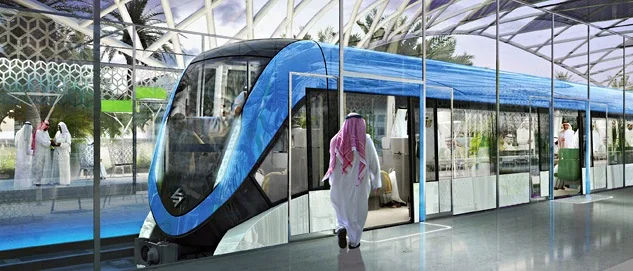
With the establishment of the Riyadh metro and the spread of its lines and stations in the sprawling Saudi capital, the Kingdom will witness a new state of transport culture and social interaction, especially since Riyadh is transforming for the first time in its history from a state of individual movement within it via cars to a state of collective movement via a luxury train that links all its parts together. It may form the nucleus for linking the capital, Riyadh, with the rest of the Kingdom's regions in the future via railway lines. The luxurious stations of the Riyadh metro, which will be opened soon, are attractive in their shapes and their technical and aesthetic designs, which makes the culture of the presence of the train one of the wonderful cultures in one of the largest capitals of the Middle East. The process of the presence of trains and railways in the Kingdom witnessed a long history dating back more than 120 years, specifically with the beginning of the establishment of the Hijaz railway line, this vital railway line that was established to ease the hardships of travel for pilgrims to the holy sites and to protect them from the raids and dangers of the roads at that time. The beginning was in the year 1318 AH corresponding to 1900 AD, where the project started, and it was accompanied by the establishment of many buildings and various facilities to serve this project, the most important of which are: the railway station building and the station service buildings such as the station warden's housing building, the warehouse building, the repair workshop building, the water tanks building to supply trains with water, and the toilets building, and the establishment of railway bridges over the paths of valleys and reefs. Work on this project began in September 1318 AH - 1900 AD and took seven years, and the first train reached Medina on the twenty-third day of August 1326 AH - 1908 AD. The total costs of the project amounted to three million English pounds, and donations reached about one million pounds. The length of the railway line from Damascus to Medina is about 1320 kilometers, and stations were established along this line separated from each other by about twenty kilometers. Medina witnessed a great renaissance with the arrival of the first train to the city.