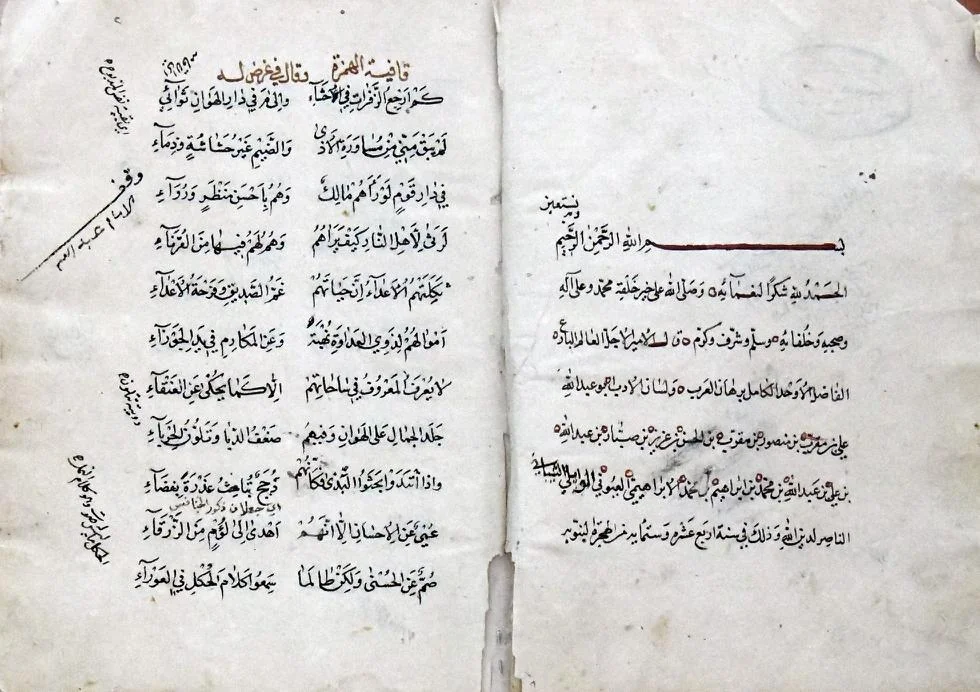
The role of copying and copyists in preserving human heritage
By: Yousry Abdel Ghani Abdullah
The emergence of copyists and the invention of paper as a medium for writing led to the flourishing of the profession of "Warraqa" (stationery/bookmaking), which greatly impacted cultural progress. In the 4th century AH, copying became widespread. Ibn al-Nadim, in "Al-Fihrist," tells of a man who owned rare manuscripts on various types of paper and skins. Borrowing books was also common; Al-Qadi Waki' said: "The first blessing of knowledge is lending books." Lending allowed others to copy rare works. Some owners were protective and would have books copied for others rather than lending the original. Lending often saved heritage; when libraries burned, the books that had been lent out or copied were preserved. Muslim scholars also preserved global human heritage by translating and auditing Greek and Latin works. This movement reached its peak under Abbasid Caliphs Harun al-Rashid and Al-Ma'mun, who spent huge sums to acquire and verify knowledge from all parts of the earth.