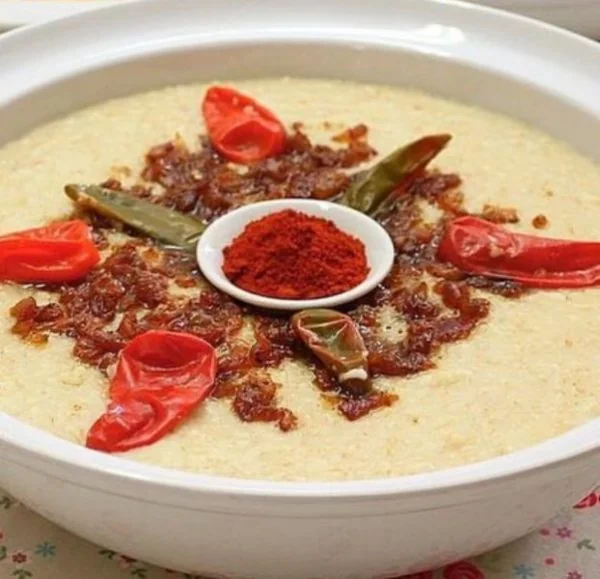
The United Nations has designated an international day for it.. Culinary Art .. A qualitative culture to bring people together and the Saudi kitchen on the road to globalization
Culinary art is no longer just a daily situation prepared for food and sustenance, nor is the kitchen limited to just cooking one type of food, but it has become its culture that distinguishes it, and it is linked to taste and etiquette and also linked to another art which is "the art of eating" or the art of eating food, and all this is common in the world's cultures and among different peoples, which constitutes a kind of soft culture that brings peoples closer and increases interaction and communication among them.
For the importance of this art in bringing people together, the United Nations has allocated a global day for sustainable cooking celebrated by the world on June 18 every year, and the art of cooking is sometimes called the art of food. It can also refer to the style of cooking in a specific area, and sustainability is the idea that something is done (such as agriculture, fishing, or even food preparation) in a way that does not waste natural resources and can continue in the future without being harmful to the environment or health.
Therefore, sustainable cooking art means a kitchen that takes into account where the ingredients come from, how food is grown, and how it reaches the markets, and ultimately to the dishes..
The General Assembly and the United Nations Educational, Scientific and Cultural Organization (UNESCO) and the Food and Agriculture Organization of the United Nations (FAO) work to facilitate the celebration of Sustainable Cooking Day, in cooperation with Member States, United Nations organizations and other international and regional bodies, as well as civil society, to celebrate the day in raising public awareness of its contribution to sustainable development.
Saudi Kitchen:
In his novel trilogy: "Specters of the Deserted Alleys", writer Dr. Turki Al-Hamad mentioned in the appendix of the novel more than 100 types of Saudi food and dishes, which indicates that Saudi cuisine is multi-faceted, and full of dishes, and types of cooking. It is a literary signal to invest the heritage of cooking in literary and artistic works.
Food and its tastes and types vary depending on the different Saudi regions, for each region has preferred types of dishes, and given the richness of the Saudi kitchen, which constitutes a kind of special folk culture, and what has ways and methods become a vital element of culture and heritage, which has prompted the Ministry of Culture to name one of its new cultural bodies "Culinary Arts Commission", where it says on its website:
"Food is a central axis in the cultures and history of peoples, and reflects by its variety the depth of heritage and uniqueness of societies. Based on this diversity, we are proud in the Culinary Arts Commission of the status of our Saudi kitchen and its deep legacy that decorates our tables with different traditional dishes. We seek with firm steps to spread them locally and globally so that the Kingdom of Saudi Arabia becomes an example of the authenticity of culinary art and home to amazing culinary experiences, and a portal from which the energies of work and creativity launch."
Cooking: A geographical perspective:
The Kingdom is one of the largest countries in the Middle East and most diverse in topography, and represents one of the most ancient regions in the area such as the Hejaz, Najd, Tihama and many provinces. The diversity of environment and vast geography led to a variety of foods. Also, there are many who came for Hajj and brought their cultures and food with them. Saudi cuisine differs depending on the geographical region or province. Saudi cuisine is wide and varied and divided into several kitchens according to the geographical area. There is the Najdi kitchen in the Najd region, the Hejazi kitchen in the Hejaz region, the Ahsai kitchen in Al-Ahsa, and the Southern kitchen in the Southern Region. There are traditional dishes that are a kind of cooked food that the Saudi people used to eat in their daily meals (such as Kabsa) or eaten on official occasions such as holidays and weddings (such as Al-Mufattah).
The talk about Saudi cuisine and its food dishes begins and doesn't end with satiety, but with those arts of presentation that Saudi women of old did not ignore in their kitchens, as there were different vessels for each type, and arts of decorating dishes were a common style despite the simplicity of life then.
In the Eastern Region, there are varied dishes with recipes that differ from their counterparts in the rest of the Kingdom's regions, where Hassawi rice, Harees, Sa, and fish Mutabbaq. In Najd, far from the sea and close to the pastures and wheat farms, the dishes differ according to the environment that includes the Riyadh and Al-Qassim region, Wadi Al-Dawasir and Hail, where there are Jareesh, Marqouq, Matazeez and Kabsa, but some of the recipes of these dishes differ according to region..
In the Hejaz, the western region of the Kingdom that includes Mecca and Medina, Jeddah and Taif, the kitchen differs in terms of tastes and type of dishes. The culture of its people merged with many colors that visited the land of the two Holy Mosques, so there were varied dishes, in addition to the original dishes, therefore the kitchen in the western region was more comprehensive and satisfactory for many peoples, as it combines appetizers, sweets and main dishes.
Saudi cuisine is very rich in its dishes that are not classified by region only, but even by season, as winter dishes have their glow and warmth, and cold summer dishes on the body have their wonderful taste that you only taste with a od cook, like Saudi women in the past, for example, the Marqouq dish made of wheat, meat and vegetables has original specifications that make one stop at its preparation.. for example, it must be of the best types of wheat, and its most durable, and fresh vegetables and tomatoes must be acidic and rich in their taste that combines acidity and sweetness.
Many Saudi restaurants in different parts of the Kingdom excel in providing traditional dishes, some of which are specialized in the dishes of the Najd region, others in the Hejaz region, and others gather all the dishes.
The most famous Saudi dishes:
The Kingdom is famous for many traditional dishes, and Saudi cuisine maintains its authenticity and heritage that the new generations have preserved from their grandfathers. Among the most famous dishes in this kitchen are: .
Kabsa, Kanad, Jareesh, Heneini, Matazeez, Asida, Mufattah, Mansaf, Qurssan, Kleja, Marasee', Kubaybat Hail, Sabba, Freek, Khamie'a, Shatha, Hassawi rice, Mahiawa, Harees, Majbous, Saleeq, Formoza, Qouzi, Dibyaza, Bukhari rice, Mutabbaq, Thareed, Areeka, Mardhoudha, Haneedh, Daghabees, Ma'soub, and other types of cooking, where Saudi cuisine dishes are distinguished by their beauty and delicious taste, and they acquire a special luster when served in traditional folk vessels. They are also associated with generosity and Arab hospitality, and gained fame on the level of the Arab world and the world.