
Peking University Branch: A Knowledge Bridge Between the Kingdom and China
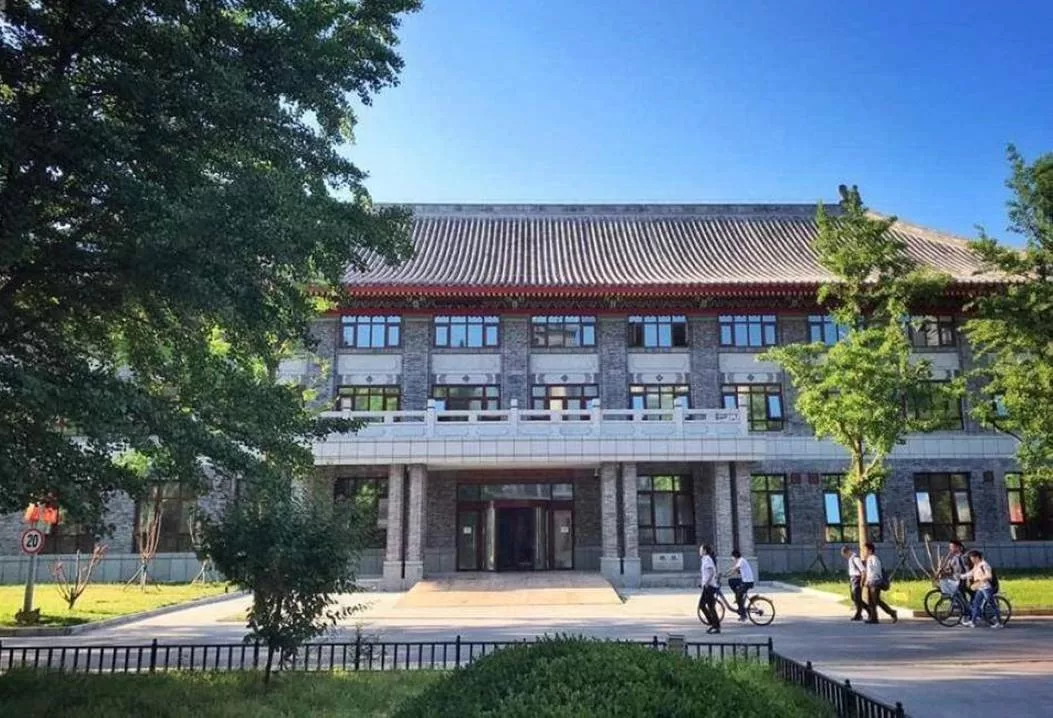
The King Abdulaziz Public Library Branch at Peking University is the library's first branch in the Asian continent and a living symbol of the historic friendship between the Kingdom of Saudi Arabia and the People's Republic of China. The branch represents a knowledge bridge connecting two ancient civilizations and serves as a window through which Chinese academic communities can explore the history of the Kingdom and the culture of the Arab nation.
Historical Milestones and Establishment
- 2006 AD (1426 AH): The idea of establishing the branch emerged during the historic visit of King Abdullah bin Abdulaziz (may he rest in peace) to China.
- 2009 AD (1430 AH): The Council of Ministers approved discussions regarding the branch establishment project. In the same year, the official memorandum of understanding was signed in the presence of the Custodian of the Two Holy Mosques King Abdullah bin Abdulaziz and Chinese President Hu Jintao.
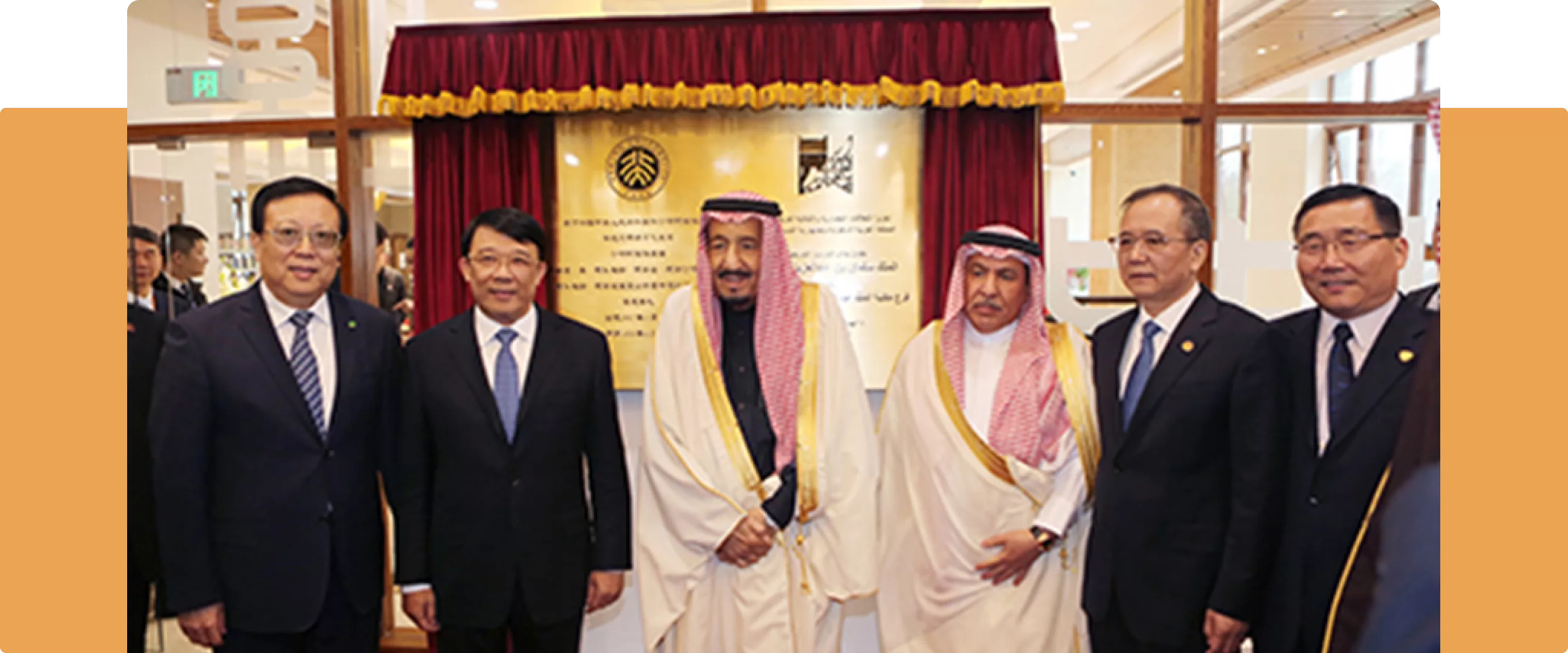
- 2015 AD (1437 AH): The foundation stone was laid in the presence of senior officials during a ceremony where the project was described as a "symbol of friendship and a path to strengthening cultural and scientific exchange."
Architectural Specifications and Facilities
The branch building is located in a distinguished location at the historic Peking University (near Weiming Lake) and was designed with advanced technical specifications:
- Total Area: 13,000 square meters distributed across 6 floors.
- Storage Capacity: Accommodates more than 200,000 books and knowledge resources.
- Halls: Study and reading halls accommodating 100 researchers, a major lecture hall, and a specialized exhibition center.
- Specialized Centers: The branch includes the "Arab Studies Center" and the "Peking University Library for Ancient Manuscripts."
Strategic Objectives and Tasks
The library's efforts in managing and operating the branch focus on:
- Supporting the Arabic Language: Providing knowledge resources and supporting Arabic language education programs at Chinese universities.
- Knowledge Exchange: Organizing joint scientific and cultural programs between Arab and Chinese scholars.
- Translation and Publishing: Translating and publishing scientific, literary, and creative books and references in both Arabic and Chinese.
- Digital Transformation: Making library collections available through an electronic knowledge portal and connecting them with the Unified Arab Catalog and the Arab Digital Library.
- Cultural Communication: Establishing the "Chinese-Arab Libraries Portal" in cooperation with the National Library of China.
A Civilizational Vision: Beyond the Walls
The Peking University Branch is not merely an architectural landmark; it is a knowledge artery that supports scientific cooperation between the Kingdom and China and serves as a strategic platform aimed at bringing civilizations closer together. The branch seeks to be a bright window providing the Chinese people with a deep and comprehensive view of the Kingdom's history and ancient civilization, contributing to cultural understanding and opening new horizons for human and knowledge-based communication across various fields.
 Visit Website:
kapl.pku.edu.cn
Visit Website:
kapl.pku.edu.cn


